Optimal Timing for Foundation Settling
Foundation settlings are a critical phase in construction, ensuring stability and durability of structures. Timing is essential to optimize soil conditions, weather, and project schedules. Proper planning can prevent future issues such as uneven settling, structural damage, or delays.
Spring and early fall often provide ideal weather for foundation settlings due to moderate temperatures and lower precipitation levels.
Timing foundation settlings when soil moisture levels are stable helps prevent excessive movement or shrinkage.
Aligning settlings with project timelines minimizes disruptions and allows for proper curing and stabilization.
Avoid periods of heavy rainfall or extreme temperatures to reduce risks of soil erosion or frost heave.
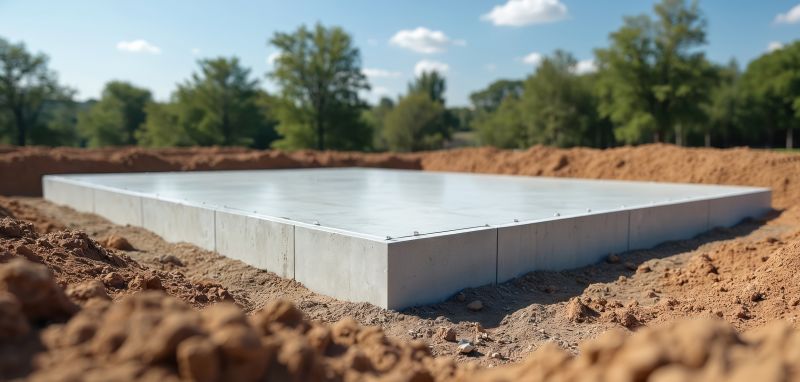
Spring offers moderate temperatures and stable soil conditions for settlings.
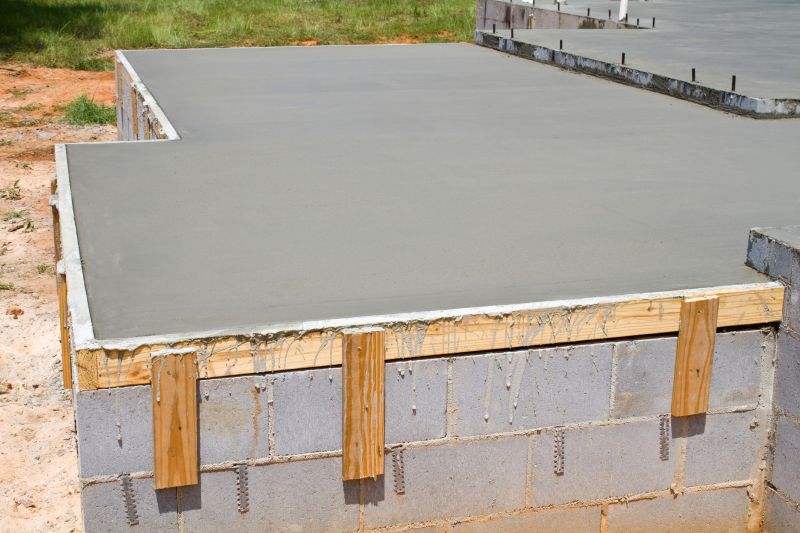
Summer can pose challenges with higher temperatures and potential drought conditions.
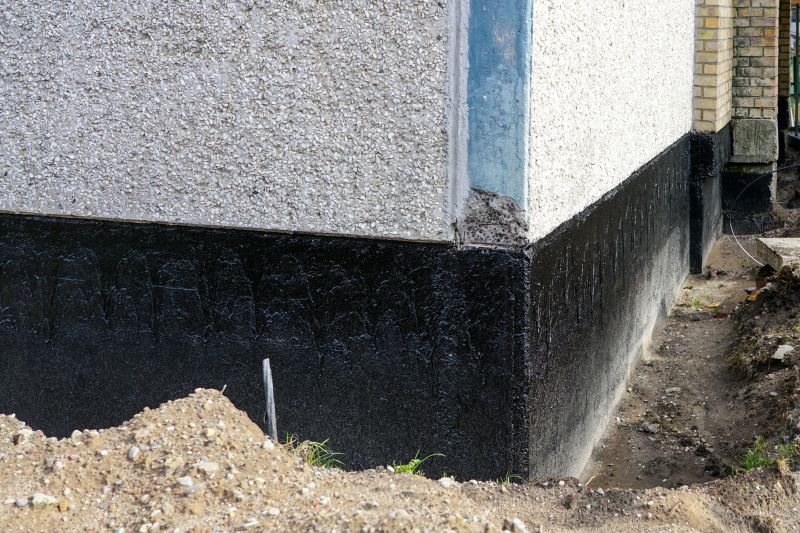
Early fall provides cooler weather and consistent soil moisture for optimal settlings.
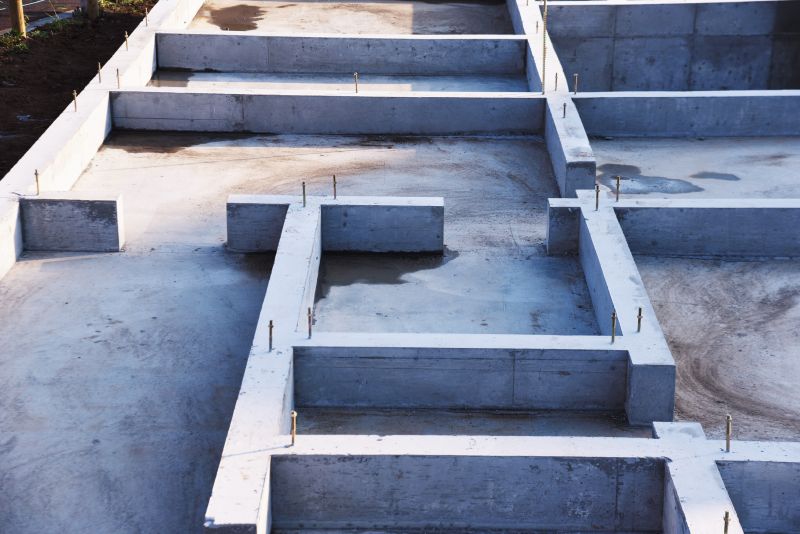
Ways to make Foundation Settlings work in tight or awkward layouts.
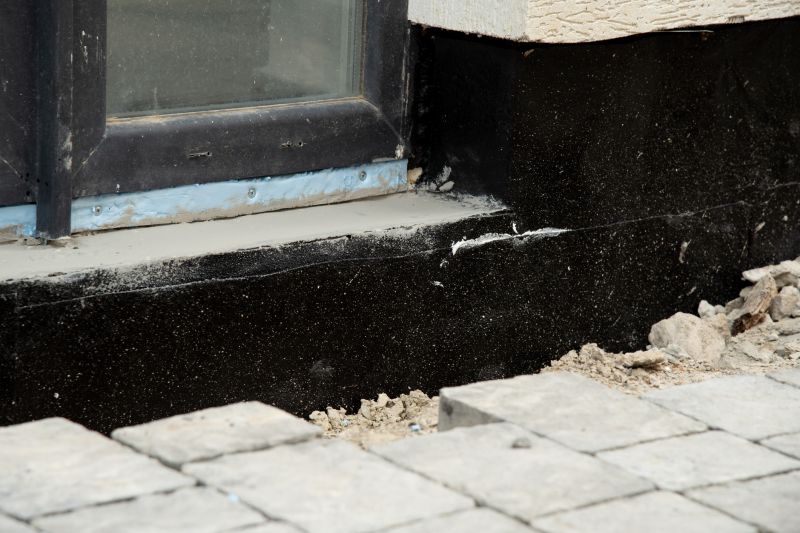
Popular materials for Foundation Settlings and why they hold up over time.
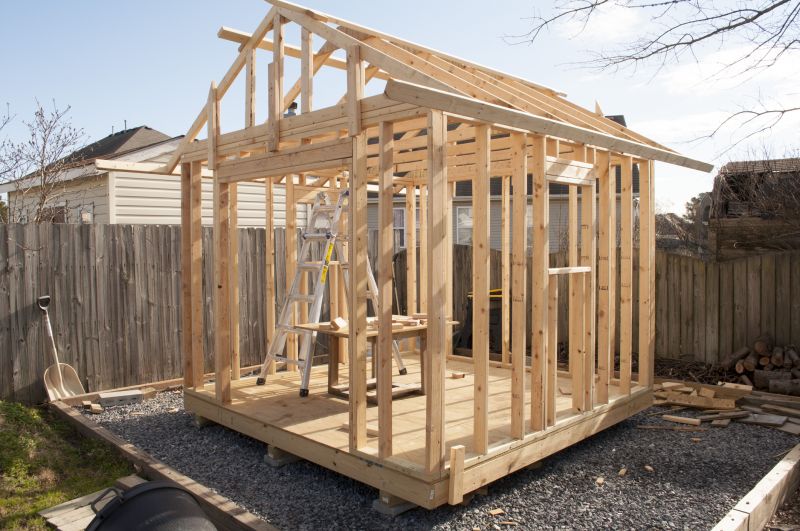
Simple add-ons that improve Foundation Settlings without blowing the budget.
Foundation settlings are a vital process in construction, involving the gradual settling of the ground to support the weight of a structure. Proper timing ensures that the soil has reached a stable state, reducing the risk of future movement or structural issues. Factors such as soil type, weather conditions, and project schedule influence the optimal timing for these activities.
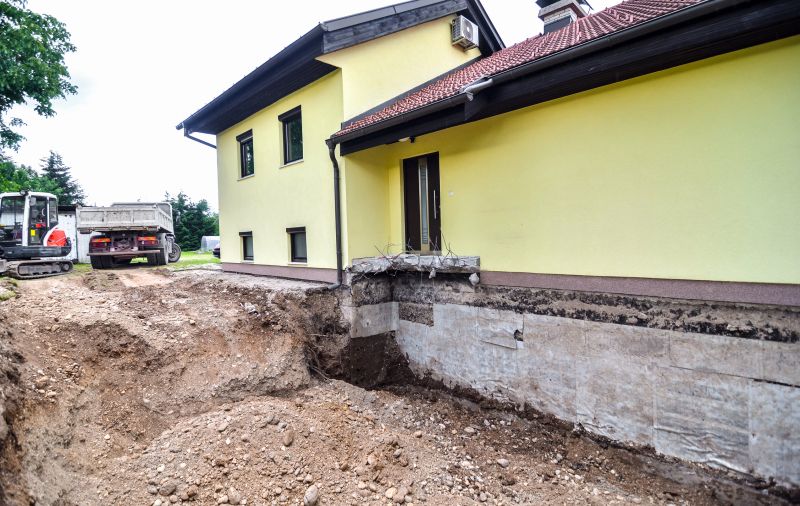
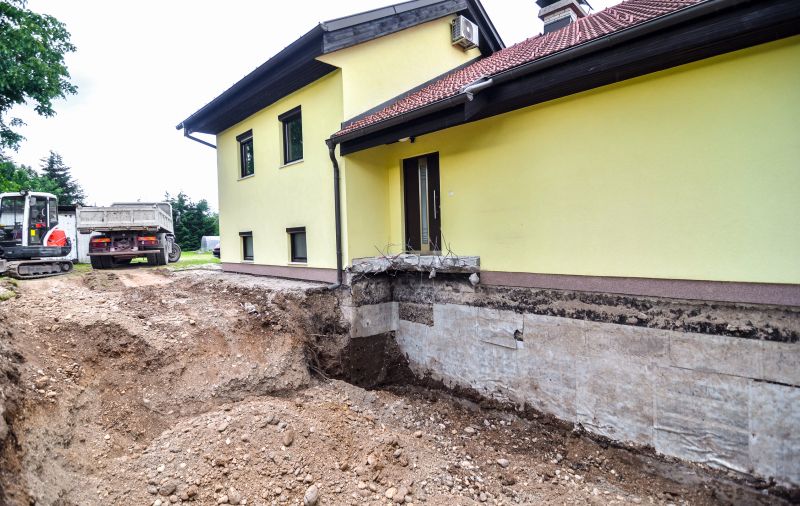
Images showing soil compaction and stabilization techniques during foundation settlings.
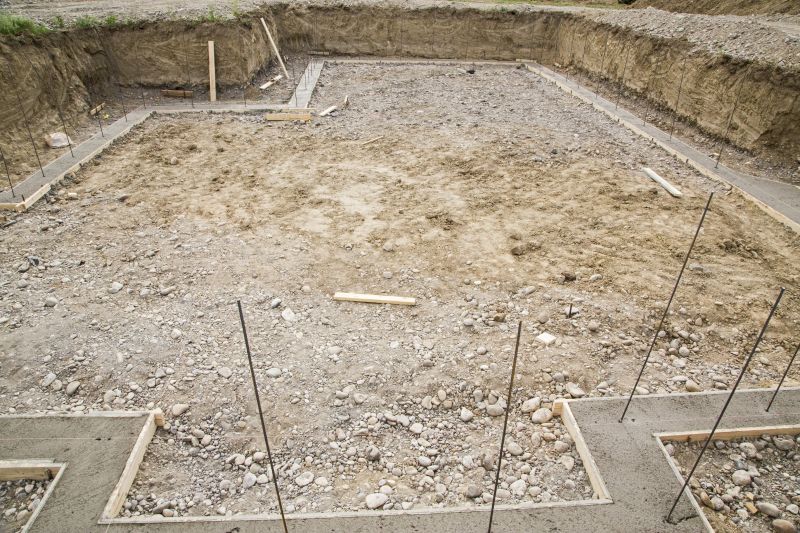
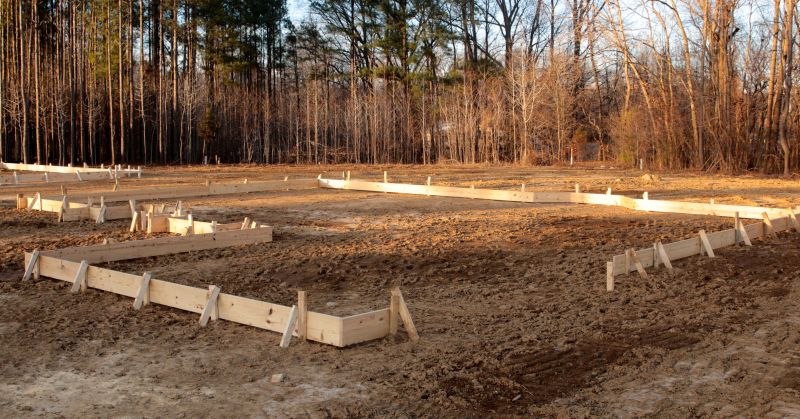
Photos of site preparation activities aligned with optimal settlings timing.
Visuals of equipment used to monitor soil settling and movement.
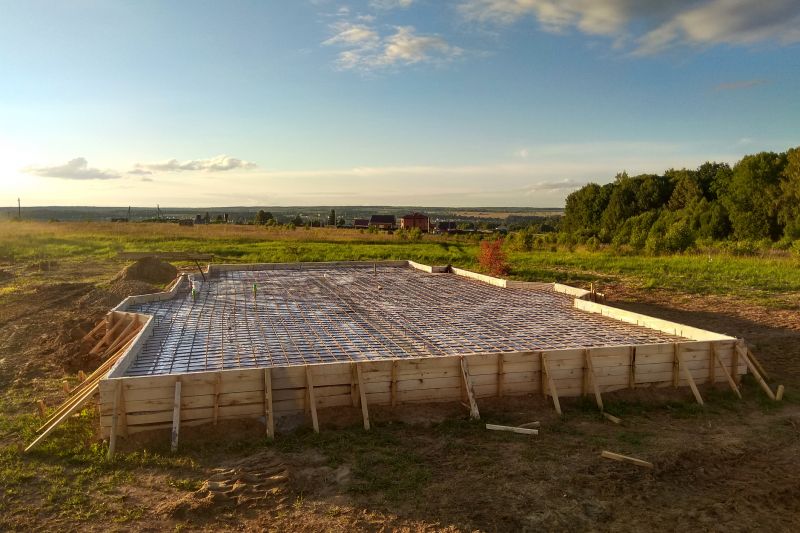
Finished foundation structures after proper settlings and stabilization.
High-end options that actually feel worth it for Foundation Settlings.
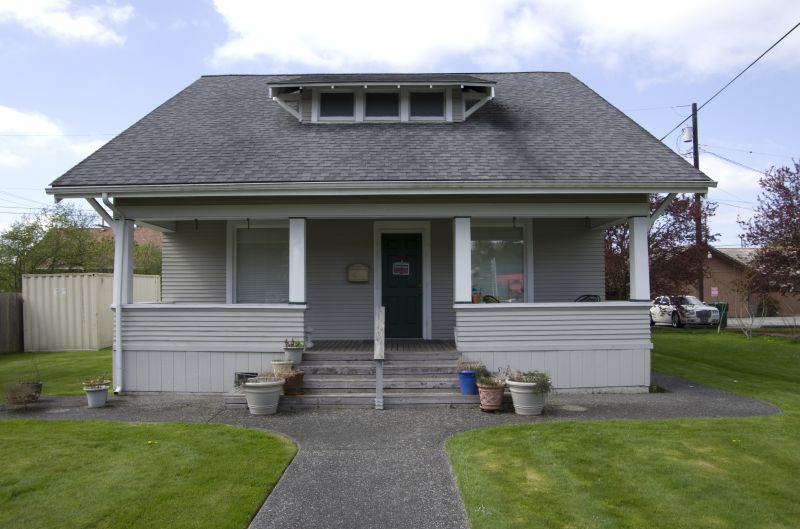
Finishes and colors that play nicely with Foundation Settlings.

Little measurements that prevent headaches on Foundation Settlings day.
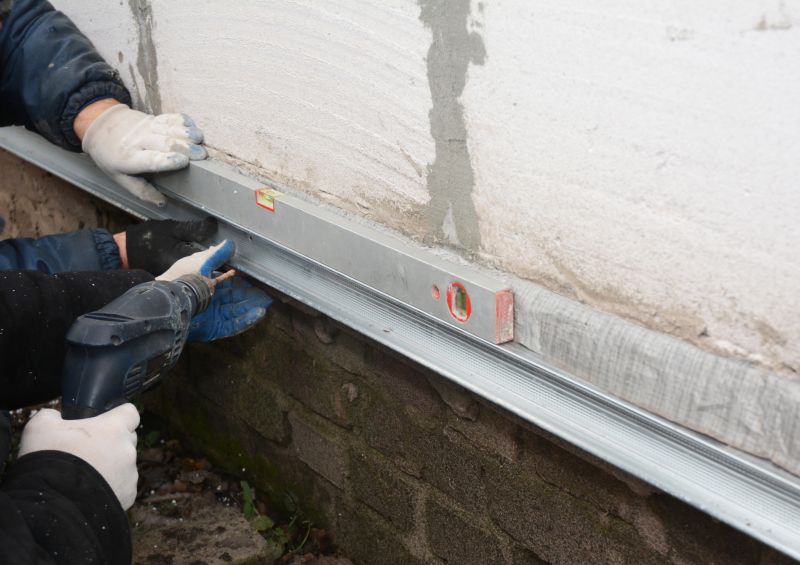
A 60-second routine that keeps Foundation Settlings looking new.
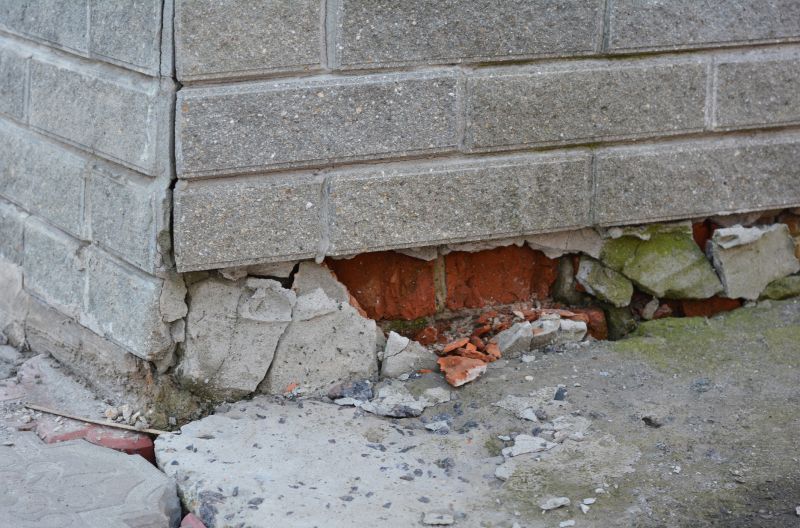
A frequent mistake in Foundation Settlings and how to dodge it.
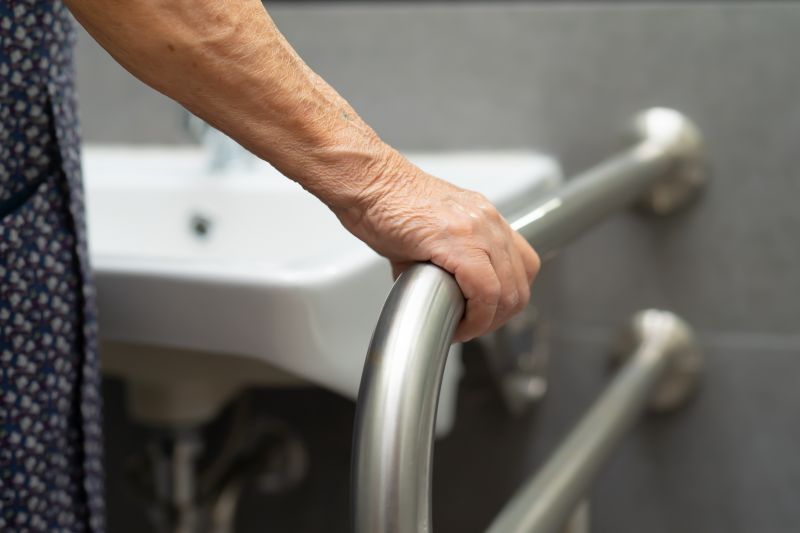
Small tweaks to make Foundation Settlings safer and easier to use.
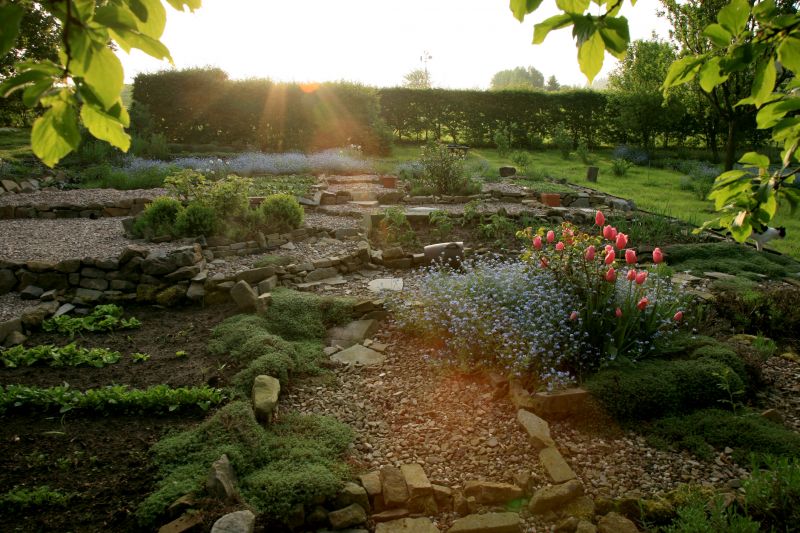
Lower-waste or water-saving choices for Foundation Settlings.
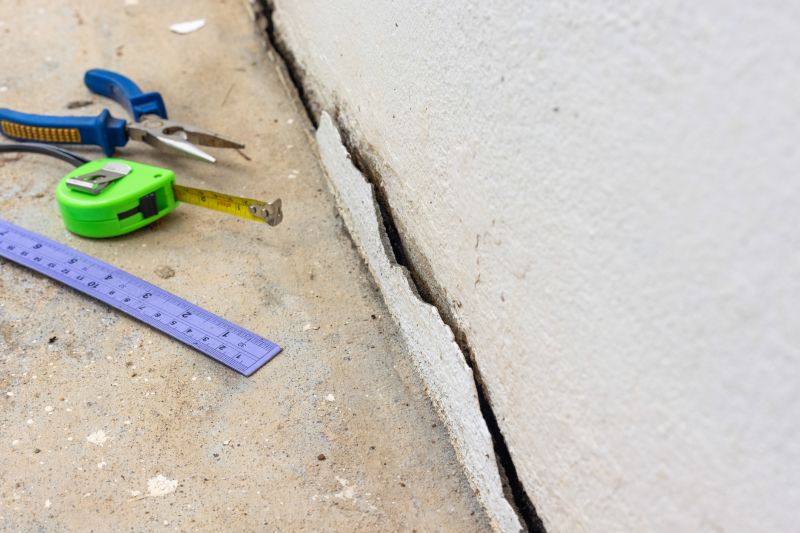
The short, realistic tool list for quality Foundation Settlings.
| Factor | Impact on Timing |
|---|---|
| Soil Type | Clay soils require longer settling periods, sandy soils settle faster. |
| Weather Conditions | Rain and frost can delay or complicate settlings. |
| Project Schedule | Aligning settlings with construction phases minimizes delays. |
| Soil Moisture | Stable moisture levels prevent uneven settling. |
| Temperature | Extreme heat or cold impacts soil behavior and curing. |
| Precipitation | Heavy rainfall can cause soil erosion or instability. |
| Soil Compaction | Proper compaction during initial phases influences timing. |
Understanding the timing for foundation settlings involves assessing multiple factors, including soil characteristics, weather patterns, and project timelines. Properly scheduled settlings contribute to the longevity and safety of the structure, reducing future maintenance needs and ensuring compliance with construction standards.
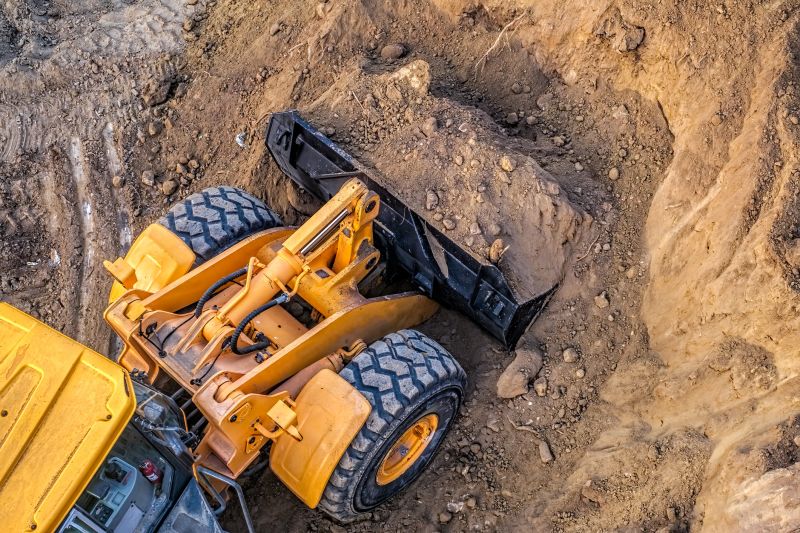
Images of tools used for tracking soil movement during settlings.
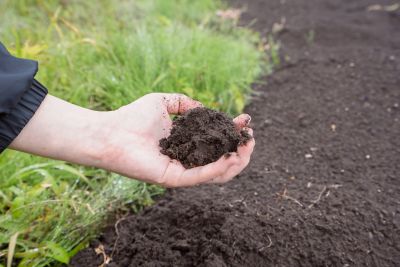
Samples and testing procedures for assessing soil stability.
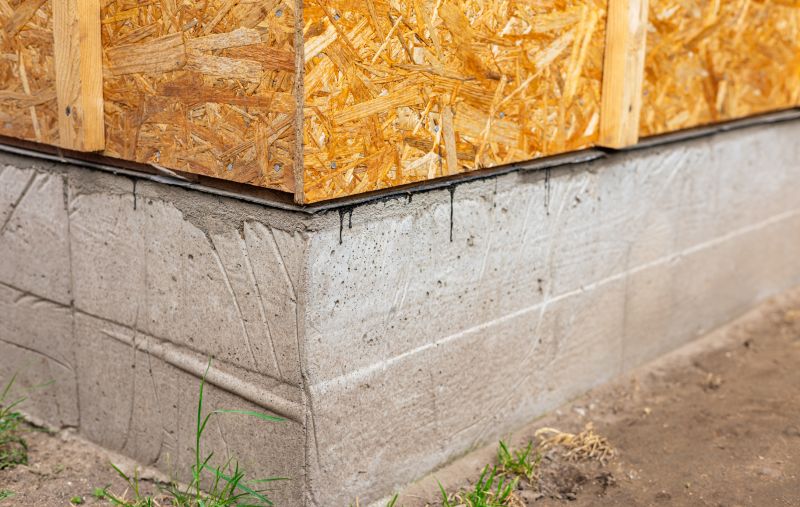
Photos of foundation work progressing after optimal settlings.
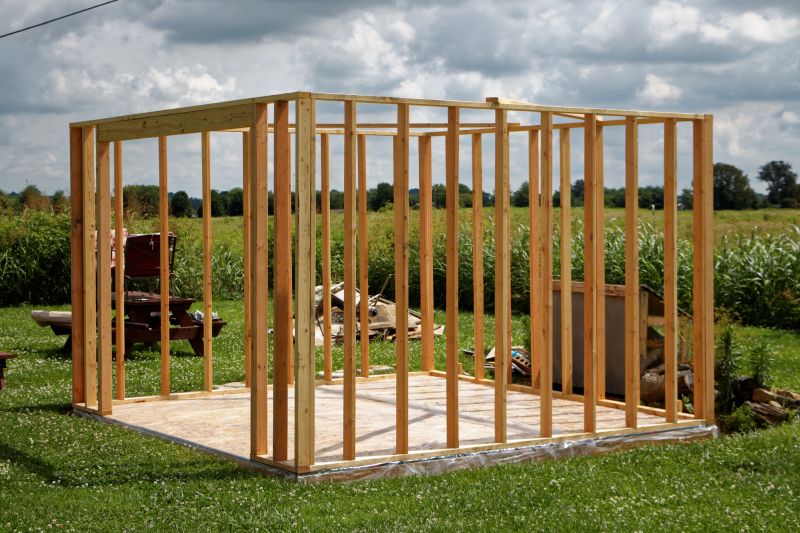
Rough timing from prep to clean-up for Foundation Settlings.
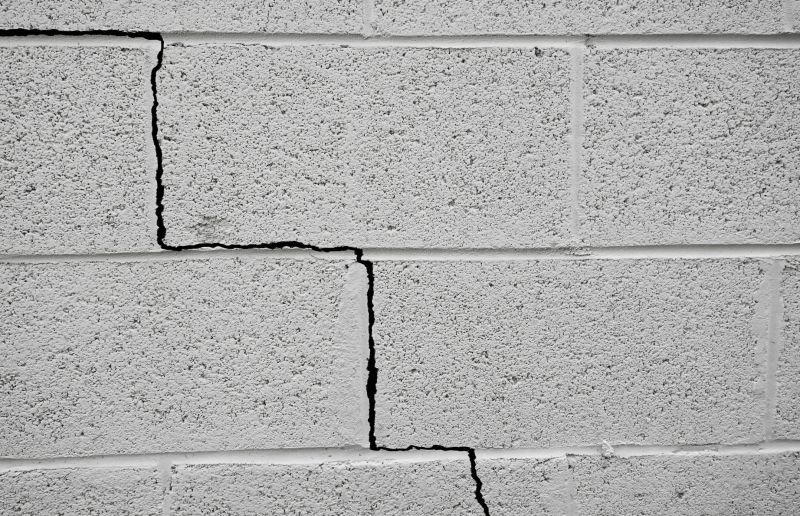
Quick checks and paperwork to keep after Foundation Settlings.
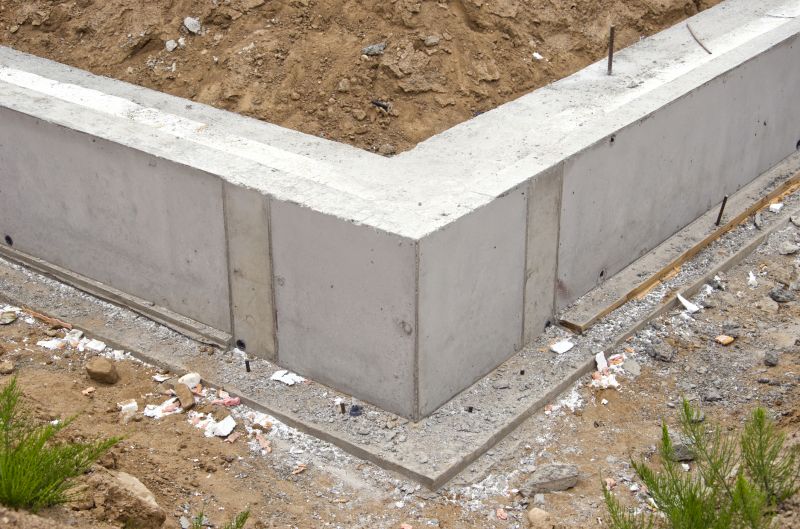
Examples that show the impact a good Foundation Settlings can make.
Interested parties are encouraged to contact for further guidance on timing foundation settlings. Proper scheduling can enhance project outcomes by ensuring soil stability and structural integrity.