Foundation Settling Services Overview
Visitors will learn about how local contractors handle foundation settling repairs and how to compare available service providers in their area.
- - Residential property owners seeking foundation stability solutions.
- - Commercial building managers requiring expert foundation settling assessments.
- - Homeowners planning foundation repair or reinforcement projects.
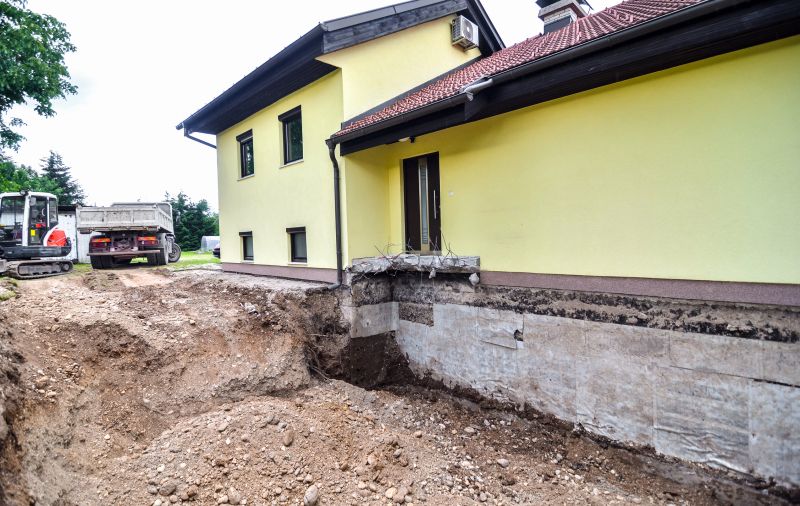
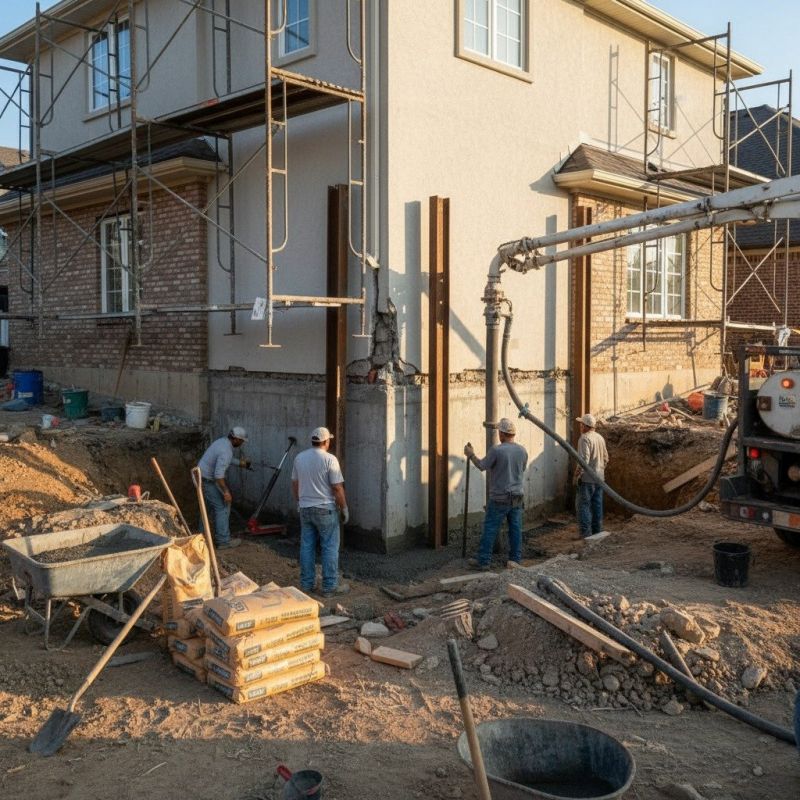
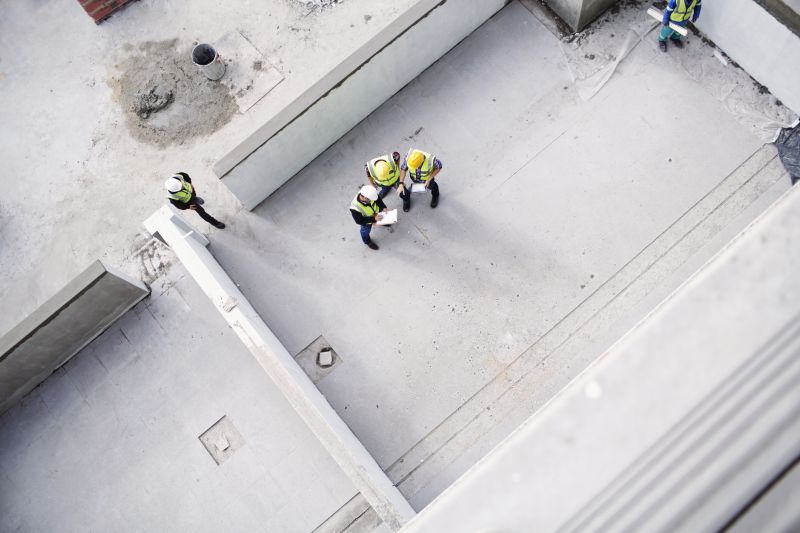
Foundation settling is a common issue that property owners may encounter over time, often resulting in uneven floors, cracks in walls, or other structural concerns. Local contractors who specialize in foundation services can assess the condition of a property’s foundation, identify underlying causes of settling, and recommend appropriate solutions. These professionals typically handle a range of techniques to stabilize and reinforce foundations, helping to maintain the integrity and safety of a building.
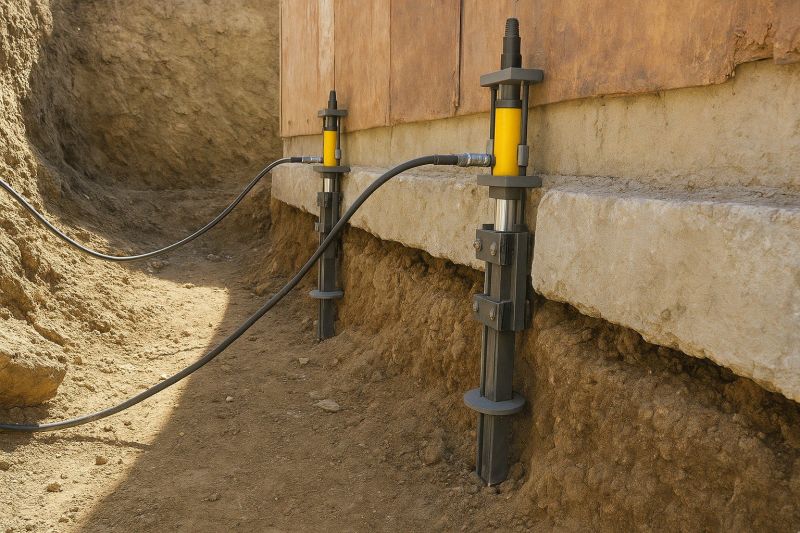
When seeking foundation settling services, property owners can connect with experienced local service providers who have the skills and tools necessary for the job. These contractors may perform procedures such as underpinning, piering, or slab stabilization to address specific issues. By working with local pros, property owners can find tailored solutions suited to the unique needs of their property, ensuring that the work is performed effectively and with proper attention to the local building conditions.
This guide provides helpful information to understand the basics of foundation settling and what to consider when planning your project. It assists in comparing local contractors and service providers who specialize in foundation work. The content aims to help visitors prepare to discuss their needs and find the right professionals for their specific situation.